
Posture Habits and Back Comfort
Chapters in this section
Cleveland Clinic describes posture as the natural way you hold your body, whether you are sitting still or moving. This guide looks at how everyday habits connect to back comfort and which signs deserve a call.
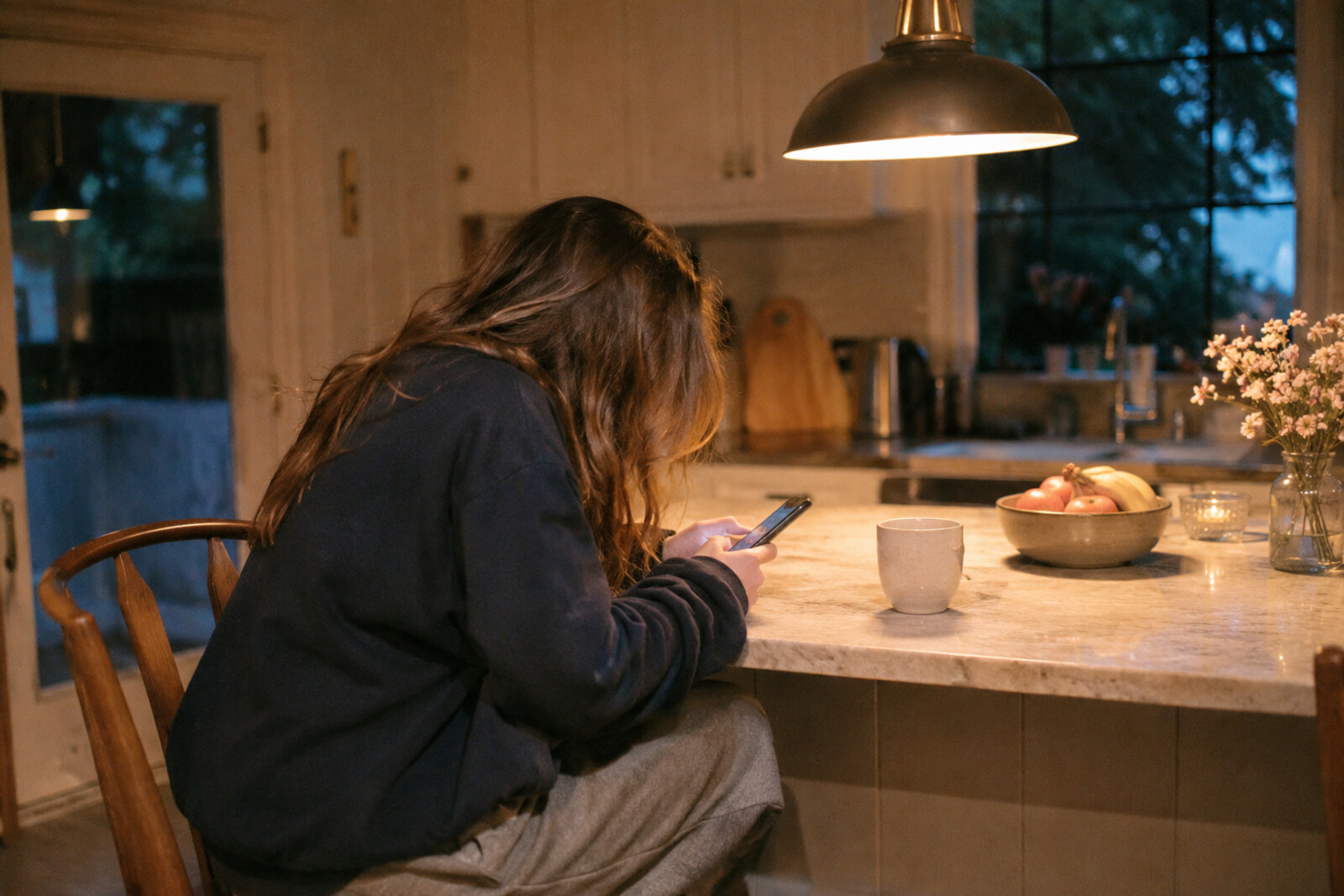
Articles on posture and back strain
Every article in this group credits the publisher behind each back or muscle sign it flags.
- Coping With Low Back Pain Day to Day: everyday handling of a sore low back, with a companion list of low back pain coping tips.
- Repetitive Strain Injury From Daily Tasks: the everyday tasks behind the strain, with a wider guide to repetitive strain injury.
- Myofascial Pain Syndrome and Muscle Knots: what muscle knots are, with a fuller guide to myofascial pain syndrome.
Telling strain from something else
A pulled muscle and a lasting problem can feel alike at first. A guide to back strains and sprains describes the strain version, which gives you something to compare against.
Before you call a clinician
Write down what you were doing when the ache started, how long you sit or stand in a day and which position brings relief. Add what you have already tried. A note like this lets a clinician see the pattern faster than a general complaint of a bad back.